Why Do You Wake Up in the Middle of the Night?
Why you wake up in the middle of the night: which awakenings are normal, why alcohol causes the 3am wake-up, the medical causes worth ruling out, and what to do at the time.
Section
How sleep and stress shape your metabolic health — backed by NIH-funded research and clinical guidance.
Why you wake up in the middle of the night: which awakenings are normal, why alcohol causes the 3am wake-up, the medical causes worth ruling out, and what to do at the time.
How to fall asleep faster: the 20-minute rule, why fixing your wake time beats an earlier bedtime, the temperature trick, and what's overrated (including melatonin).
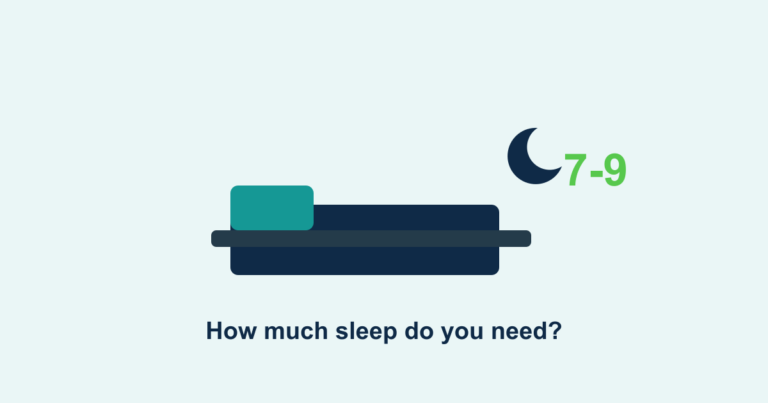
How many hours of sleep do you really need? What the CDC and sleep experts recommend by age, why quality matters too, and how to tell if you're getting enough.
Music and stress: what’s physiologically measurable, where the clinical evidence is genuinely strong, and why the Mozart effect was a misread study.
Does nature really lower stress? What’s actually measured, why the famous 120-minutes figure is weaker than it sounds, and which popular claim doesn’t hold up.
How long should a nap be? Why 30 minutes is the worst length, what sleep inertia is, and why studies linking naps to mortality are probably measuring something else.
The glymphatic system: how the brain may clear waste during sleep, what’s actually established in humans, what is contested, and why the practical advice holds either way.
Sleep apnea warning signs: the night and daytime patterns, how it presents differently in women, why lean people get missed, and why treating it matters beyond tiredness.
Why a cool bedroom improves sleep: the core temperature mechanism, what the 60–67°F range really means, and why a warm bath before bed isn’t a contradiction.
Morning light and sleep: how it sets your body clock, the huge indoor-outdoor intensity gap, and why it’s a far stronger lever than blocking blue light at night.