📚 Part of our Heart Health Guide — an evidence-based guide.
Medically referenced. This article draws on peer-reviewed research indexed by the NIH’s National Library of Medicine. It is not medical advice.
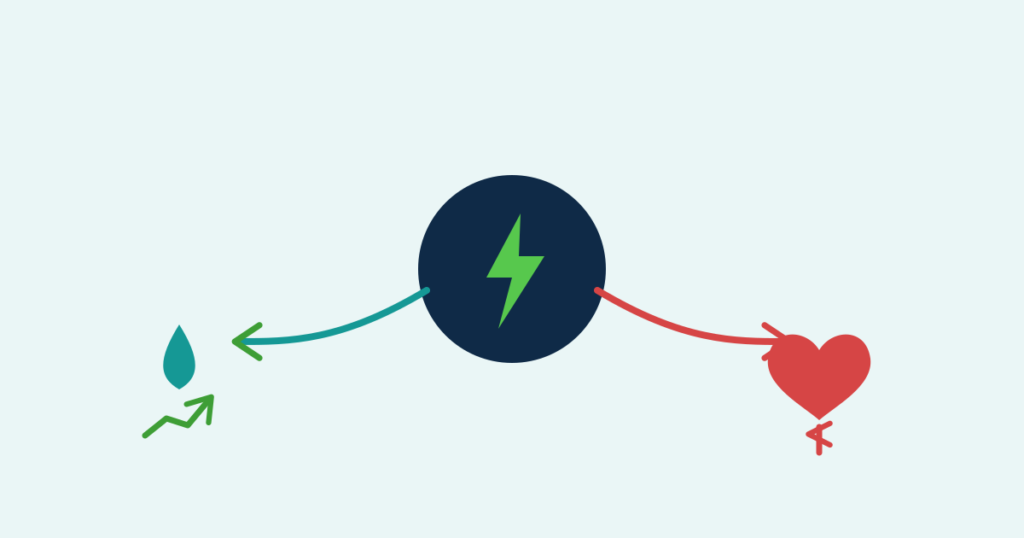
Here’s something that ties together three of the biggest health concerns most people track separately: a single hormone can push your blood sugar and your blood pressure up at the same time. Its name is cortisol, and when stress keeps it elevated, it works on both systems at once — which is why chronic stress so often shows up as two problems that seem unrelated but share one root.
Understanding this connection does something useful: it turns “manage your stress” from vague wellness advice into a concrete metabolic strategy.
What Cortisol Is Actually For
Cortisol isn’t a villain. It’s your body’s built-in alarm hormone, released by the adrenal glands to prepare you for a threat. In a genuine emergency, it’s exactly what you want: a fast surge of fuel and pressure to help you act. The trouble starts when the alarm never fully switches off — when the “threat” is a relentless inbox, financial worry, or poor sleep, day after day.
How It Raises Blood Sugar
Cortisol raises blood glucose through two mechanisms working together. First, it tells your liver to manufacture new glucose — a process called gluconeogenesis. Second, it makes your muscle and fat tissue less sensitive to insulin, so the glucose that’s already circulating is harder to clear.[1] More sugar produced, less sugar removed. When stress is chronic, cortisol stays elevated and blood sugar tends to stay high, making balance harder to maintain.[1]
How It Raises Blood Pressure — At the Same Time
The same cortisol surge reaches into your cardiovascular system through a different route. Excess cortisol stimulates a hormonal cascade called the renin-angiotensin-aldosterone system — the body’s main blood-pressure control network — and the result is elevated blood pressure.[2] Research also links sustained stress to reduced nitric oxide production, the very molecule that keeps blood vessels relaxed and open.[3] Less nitric oxide means stiffer, tighter vessels, which pushes pressure up further.
So one stress response, two systems, both moving in the wrong direction. That’s why blood sugar and blood pressure so often rise together during stressful seasons of life — they’re downstream of the same signal.
Why This Is Actually Good News
Because both problems share a root, addressing the root can help both at once. You don’t need separate strategies for stress-driven blood sugar and stress-driven blood pressure — calming the cortisol response works upstream of both. That’s a rare efficiency in health.
Practical Ways to Lower the Signal
The goal isn’t to eliminate stress — that’s impossible — but to give your body regular signals that the emergency is over:
- Slow, extended exhales. A few minutes of breathing where the out-breath is longer than the in-breath activates the “rest and digest” branch of your nervous system, the direct counter to the cortisol alarm.
- Move your body. Physical activity burns through stress hormones and, as covered in our piece on muscles and glucose, independently helps clear blood sugar.
- Protect your sleep. Sleep loss is itself a cortisol driver, creating a loop — see our piece on the sleep–blood sugar connection.
- Step outside. Even short breaks in daylight and nature measurably lower stress-hormone levels for many people.
If you’re managing diagnosed high blood sugar or high blood pressure, stress management supports your treatment — it doesn’t replace it. Keep your doctor in the loop, especially before changing any medication. But recognizing that one hormone connects these two numbers can make the daily work of managing stress feel a lot less abstract — and a lot more worth it.
This article is for informational purposes only and is not a substitute for professional medical advice. Always consult a qualified healthcare provider about blood sugar, blood pressure, or persistent stress.
References
- “Chronic Stress, Diabetes, and Cardiovascular Disease” and cortisol/gluconeogenesis mechanisms. NIH National Library of Medicine. ncbi.nlm.nih.gov
- Cortisol and the renin-angiotensin-aldosterone system in blood pressure regulation. NIH National Library of Medicine. ncbi.nlm.nih.gov
- “Chronic Stress Produces Persistent Increases in Plasma Corticosterone, Reductions in Cardiac Nitric Oxide Production…” NIH National Library of Medicine. ncbi.nlm.nih.gov
Frequently asked questions
Can stress raise both blood sugar and blood pressure?
Yes. Stress hormones like cortisol and adrenaline raise blood sugar and constrict blood vessels at the same time, pushing both numbers up.
How can I lower stress-related blood sugar and blood pressure?
Slow breathing, regular movement, good sleep, and relaxation practices calm the same nervous-system pathways that drive both up.
Is stress a real cause of high blood sugar?
Yes. Even without changing your diet, chronic stress can keep blood sugar elevated through hormonal signals.