📚 Part of our Blood Sugar Guide — an evidence-based guide.
Insulin resistance is the mechanism underneath most of what people worry about metabolically — prediabetes, type 2 diabetes, fatty liver, much of metabolic syndrome. It is also invisible for years, because the body compensates so well that standard blood tests look normal while the problem is quietly getting worse.
What is actually happening
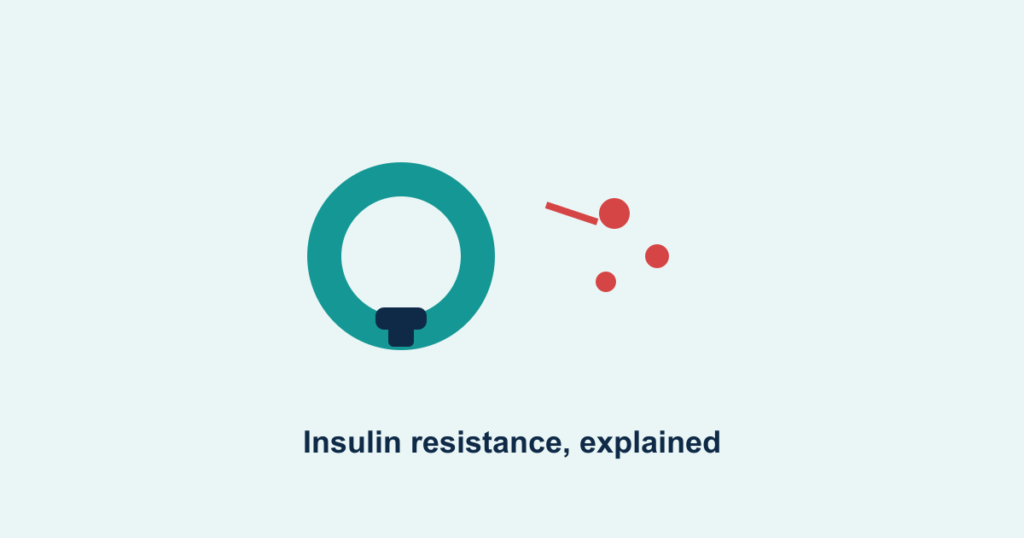
Insulin is the hormone that lets glucose leave your bloodstream and enter cells — mainly muscle, liver and fat. Think of it as a key.
In insulin resistance, the locks respond poorly. The same amount of insulin moves less glucose. Your pancreas notices and compensates by making more insulin, which for a while works: glucose stays normal because insulin is elevated.
That compensation is why the condition hides. A fasting glucose can sit at a comfortable 92 for years while insulin runs at two or three times what it once needed to be. The failure only becomes visible when the pancreas can no longer keep up — and by then the process has been running a long time.
Why muscle and liver matter most
Skeletal muscle takes up the majority of glucose after a meal, which makes it the single biggest lever you have. Less muscle, or muscle that is rarely used, means less capacity to store glucose safely.
The liver is the second half. Normally insulin tells the liver to stop releasing glucose. When the liver becomes resistant, it keeps pouring glucose out overnight — which is the usual explanation for high morning readings (why that happens).
Fat around the organs contributes actively. Visceral fat releases free fatty acids and inflammatory signals straight into the circulation feeding the liver, which worsens hepatic resistance directly. This is why waist size predicts metabolic risk better than weight (why), and why you can be insulin resistant at a normal BMI (normal-weight obesity).
What causes it
Not one thing. The main contributors:
Excess visceral fat — the strongest modifiable factor.
Physical inactivity, independent of weight. Muscle that is not used becomes less insulin sensitive within days.
Genetics and family history, which matter substantially and are not your fault.
Short and irregular sleep, which reduces insulin sensitivity measurably after even a few bad nights (the connection).
Chronic stress, through cortisol and other counter-regulatory hormones (the mechanism).
Age, partly through muscle loss (what changes after 50).
Certain conditions and medications also drive it, including PCOS, sleep apnea, and corticosteroids.
The signs, such as they are
Being honest: there is no reliable symptom list, and that is the most important thing to know about it. Most people have no symptoms at all.
Some associated findings do point toward it: a rising waist measurement, high triglycerides with low HDL on a lipid panel, elevated blood pressure, fatty liver found incidentally on imaging, and acanthosis nigricans — velvety dark patches on the neck, armpits or groin, which is a genuine physical sign. Skin tags cluster with it too. In women, irregular periods and PCOS features are relevant.
Fatigue after meals is commonly listed and is much weaker evidence than the internet suggests. Treat it as a prompt to test, not a diagnosis.
How it is measured — and why your doctor may not test insulin
The gold standard is a research procedure not used clinically. In practice, the pattern is inferred:
Fasting glucose and A1C catch it late, once compensation is failing (what the numbers mean).
Triglyceride-to-HDL ratio from an ordinary lipid panel is a useful and free proxy — high triglycerides with low HDL is a characteristic signature.
Fasting insulin and calculated indices like HOMA-IR detect it much earlier. Here is the honest caveat: these are not standardised between laboratories, have no agreed cut-offs for diagnosis, and are not recommended for routine screening by most professional bodies. That is why many doctors decline to order them — not obstinacy, but a genuine lack of validated thresholds.
The practical approach is to watch the direction of your ordinary numbers over years rather than chase a single insulin value.
How to reverse it — in order of impact
This is the encouraging part: insulin resistance is among the more reversible conditions in medicine, and the interventions are ordinary.
1. Use your muscles, especially after eating. Contracting muscle pulls glucose from the blood through a pathway that does not require insulin, bypassing the broken part of the system entirely (how it works). A 10 to 15 minute walk after meals is the highest-yield habit available (the trial).
2. Build muscle. Two strength sessions a week increases the capacity to store glucose safely, and the effect accumulates over months.
3. Lose modest visceral fat if you carry excess. The threshold is lower than most assume: 5 to 7% of body weight plus activity cut progression to type 2 diabetes dramatically in the Diabetes Prevention Program, outperforming medication (the evidence).
4. Change the shape of your carbohydrate. More fiber and protein, fewer refined and liquid carbohydrates — and eat vegetables and protein before starch (the sequencing effect, carb quality).
5. Fix sleep. This is not a soft recommendation — sleep restriction impairs insulin sensitivity directly, and no amount of dietary precision compensates (the sleep guide). Screening for sleep apnea matters here specifically (warning signs).
Full protocol in how to lower blood sugar naturally.
Supplements, briefly
Berberine has the most credible research among popular options and remains modest next to the levers above (real or hype). Cinnamon and vinegar show small effects (cinnamon). Nothing on a shelf approaches post-meal walking plus modest weight loss.
When to see a doctor
Ask for a fasting glucose, A1C and a lipid panel if you have never had them, are over 45, carry weight around the middle, have a family history of type 2 diabetes, had gestational diabetes, have high blood pressure, or have PCOS. Mention acanthosis nigricans if you have it — it is a meaningful physical sign, not a cosmetic issue. And if you snore loudly or wake unrefreshed, raise sleep apnea, because treating it improves insulin sensitivity.
The honest bottom line
Insulin resistance is a supply-and-demand problem that hides behind normal glucose for years, because rising insulin conceals it. There is no reliable symptom list, so the direction of your ordinary blood tests over time is more informative than how you feel. The reversal levers are unglamorous and genuinely effective: use your muscles after meals, build some, lose a modest amount of visceral fat, fix the shape of your carbohydrate, and protect your sleep. Caught early, this is one of the more reversible things in medicine.
Your A1C is the usual way this is tracked — here is what the number does and does not capture.
A randomised trial that matched weight loss across three diets found carbohydrate restriction improved liver insulin sensitivity two to three times more: what it showed.
Fatty liver is one of the most common downstream signs of established insulin resistance — fatty liver disease explained.
Frequently asked questions
What are the signs of insulin resistance?
It often has no obvious symptoms early on. Clues can include a growing waistline, high blood sugar or triglycerides, high blood pressure, fatigue after meals, and darkened skin patches (acanthosis nigricans). A blood test is the way to know.
Can insulin resistance be reversed?
Yes, often. For many people, losing excess weight (especially belly fat), regular exercise, better sleep, and a higher-fiber, lower-refined-carb diet can substantially improve or reverse insulin resistance.
What is the best exercise for insulin resistance?
Both matter: strength training builds muscle that soaks up glucose, and aerobic exercise improves insulin sensitivity. Moving after meals is especially effective.