📚 Part of our Weight Loss Guide — an evidence-based guide.
Weight loss is buried under more products, myths and contradictory advice than any other health topic. Strip it back to what the evidence actually supports and it becomes simpler — though not easier. This is the honest version: what drives fat loss, why your body resists it, which popular shortcuts fail, and how the people who keep the weight off differ from those who do not.
🧮 Try our free calculator — calorie target calculator. A starting point, with its real error range shown.
The engine: a modest energy deficit
Fat loss requires taking in less energy than you use. Every diet that works — low carb, low fat, Mediterranean, intermittent fasting — works through this, whatever else it claims. The differences between them are differences in how easy they make that state to sustain.
Two practical points follow. First, the deficit should be modest: roughly 300 to 500 calories a day. Larger deficits do not scale cleanly — they cost more muscle, produce a stronger hunger response, and raise the chance you abandon the attempt entirely. Second, it should come mostly from food rather than exercise, for reasons covered below. Working out your own starting number is in how many calories you should eat.
You do not have to count calories to lose weight. Counting is one tool, useful for calibrating your eye, and genuinely harmful for some people. Controlling food quality and portions works without a single number tracked.
What makes a deficit survivable
This is where most attempts are actually won or lost, because the physics is easy and the adherence is not.
Protein. The most satiating macronutrient by a clear margin, and the one that protects muscle while you lose fat. Most people undershoot, particularly at breakfast — a protein-rich first meal measurably reduces intake for the rest of the day (why). Targets in how much protein you actually need.
Fiber, especially the soluble, viscous kind, slows digestion and increases fullness for very few calories (the appetite tool). Combined with protein it is the most underrated pairing in the field (the research).
Food quality. Ultra-processed food is easy to overeat almost regardless of intention — in a tightly controlled trial matching diets for calories, sugar, fat and fiber, people ate several hundred more calories a day on the ultra-processed version (what the research shows).
Eating speed. Fullness signals take time to arrive. Slowing down measurably reduces intake and costs nothing (the overlooked trick).
If you are hungry all the time, that is diagnosable rather than a character flaw — the causes are in why am I always hungry.
Strength training decides whether it lasts
Weight loss without resistance training costs you a meaningful share of muscle alongside the fat. That matters for two reasons: muscle is metabolically active, so losing it lowers the deficit you can sustain, and muscle is what keeps the loss off afterward (why muscle decides).
Two sessions a week covering the major muscle groups is the target — bodyweight, bands, machines or free weights all count. Combined with adequate protein, this is what converts “weight lost” into “fat lost.”
Why exercise alone rarely does it
Exercise is essential for health, fitness and keeping weight off, and it is a weak tool for creating a deficit. Appetite rises and unconscious movement falls to compensate for a large share of what you burn — the core of why you can’t outrun a bad diet.
The movement that matters most for energy balance is the unstructured kind: walking, standing, chores, fidgeting. It can exceed a gym session across a full day (the calories you burn without exercising), and a practical step target is in how many steps you actually need. Do not eat back the calories your watch reports — those estimates are unreliable and frequently erase the deficit.
Sleep and stress are not side issues
Short sleep raises ghrelin, lowers leptin and increases the appeal of energy-dense food. The effect is large enough to change body weight on its own: losing roughly 80 minutes a night drove measurable weight gain in a controlled study (here’s why). If your diet is sound and nothing is moving, sleep is worth examining before further restriction — start with the sleep guide.
Why your body pushes back
Weight loss is not linear, and the resistance is physiological rather than moral. As you lose, metabolic rate falls somewhat more than body size alone predicts, and hunger hormones rise. The magnitude scales with how aggressive the deficit was, which is exactly why crash diets rebound (metabolic adaptation).
Expect stalls. Water retention routinely masks ongoing fat loss for two weeks or more, which is why the scale can sit still and then drop suddenly. Daily swings of two to five pounds are normal and are not fat (why weight fluctuates). If the trend genuinely has not moved in three to four consistent weeks, the reasons are usually mundane and identifiable (eight honest reasons).
The myths worth discarding
Spot reduction. You cannot choose where fat comes off, and crunches do not remove abdominal fat. What does work is in how to lose belly fat.
Metabolism boosters. Teas, thermogenic pills and “fat burners” do essentially nothing. What genuinely changes energy expenditure is muscle mass and daily movement (what actually works).
Detoxes and cleanses. Rapid initial loss is water and gut contents, and it returns.
Carbohydrate as the villain. Cutting carbs produces a fast first week because glycogen releases stored water. That is not fat, and it comes back with the carbohydrate.
Which diet should you pick?
Trials matching diets on calories and protein keep landing in the same place: results are similar, and adherence separates them. That frees you to choose on practical grounds — what fits your cooking, your budget, your household and your preferences.
Whole-food patterns like the Mediterranean diet do well partly because they are filling and pleasant enough to sustain for years. Meal timing is a refinement rather than an engine (does timing matter).
Medication, honestly
GLP-1 medications have genuinely changed what is achievable for people with obesity, and oral versions are arriving (what to know). They also come with real trade-offs: cost, side effects, muscle loss without adequate protein and resistance training, and weight regain when stopped. They are a medical decision, not a shortcut around the fundamentals — the protein and strength work above matters more on these drugs, not less.
Measure the right things
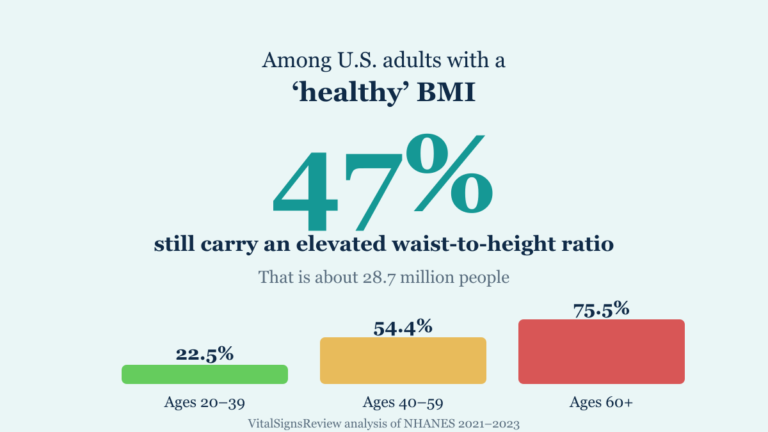
The scale bundles fat, muscle, water and gut contents into one number and will not say which changed. Weigh under consistent conditions and judge the weekly average, aiming for roughly 0.5 to 1% of body weight per week. Track your waist alongside it, since it predicts health better, and note strength and how clothes fit.
Keeping it off
Losing weight and maintaining are close to different skills. The people who maintain tend to share four things: they kept enough protein and strength work to hold muscle, they stayed physically active daily, they monitored something regularly, and they had a plan for regain rather than treating a bad month as a verdict. Build the version of this you could still be doing in five years.
When to talk to a doctor
Check in first if you are pregnant or breastfeeding, take insulin or medications that can cause low blood sugar, have a history of an eating disorder, are under 18, or have significant heart, kidney or liver disease. See a doctor for weight loss you did not intend, or for weight gain with fatigue, cold intolerance and constipation, which can indicate an underactive thyroid.
The honest bottom line
A modest deficit driven mostly by food, enough protein and fiber to make it survivable, strength training to protect muscle, daily movement, and adequate sleep. That is the whole evidence base. Progress will be lumpy and your body will push back — both are expected, neither means it is failing. The approach that works is the one you could still be doing in five years, which usually means the least dramatic one available.
Frequently asked questions
What is the most effective way to lose weight?
A sustainable calorie deficit driven mostly by diet, paired with enough protein and strength training to protect muscle. Consistency beats intensity, and slow, steady loss lasts longer than crash diets.
What is the best diet for weight loss?
The best diet is one you can stick with. Whole-food patterns like the Mediterranean diet work well because they're filling and sustainable, but no single diet is magic — the calorie balance is what matters.
Why is losing weight so hard?
Because your body defends its weight: metabolism adapts, hunger rises, and progress isn't linear. Hidden calories and relying on exercise alone also stall many people.